From unraveling the fundamental molecular basis of epigenetics to investigating germline development, infertility, and environmental influences.
In eukaryotic genomes, DNA is wrapped around histone octamers to form nucleosomes, the fundamental repeating units of chromatin architecture.
Chemical modifications to DNA and histones (such as DNA methylation and histone methylation or acetylation) precisely regulate gene expression ON/OFF states without altering the underlying nucleotide sequence. This phenomenon, known as epigenetics, constitutes an essential regulatory system that allows cells to differentiate and stably maintain lineage identity.
Our laboratory investigates the precise molecular mechanisms by which these epigenetic marks are deposited, recognized, and erased, and how they dictate higher-order chromatin dynamics and transcriptional control.
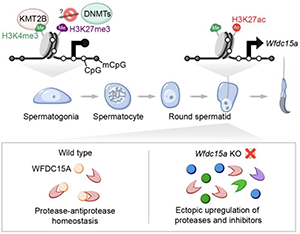
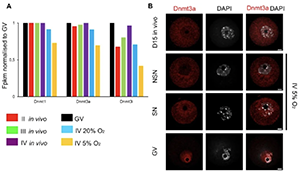
Disruption of epigenetic regulatory networks frequently leads to developmental arrest and various pathogenic disorders. In particular, germ cell development (sperm and oocytes) and early embryogenesis require extensive, genome-wide epigenetic reprogramming.
Aberrations in this reprogramming machinery cause severe phenotypes, including gametogenesis failure leading to infertility, or early embryonic arrest post-fertilization.
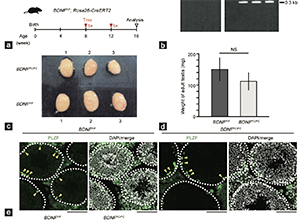
Utilizing animal models (e.g., mice) and germ cell lineages, we elucidate the molecular pathophysiology underlying why dysfunction in epigenetic regulators results in spermatogenic failure, gamete deficiency, and embryonic lethality.
While the epigenome is robustly maintained, it is uniquely susceptible and responsive to environmental fluctuations, such as nutritional conditions, temperature, chemical exposure, and physiological stress.
Epigenetic aberrations induced by environmental stressors disrupt the delicate balance between stem cell self-renewal and lineage differentiation, thereby compromising tissue homeostasis. Furthermore, epigenetic alterations occurring in the germline can be transmitted across generations, impacting offspring health and phenotype.
We investigate how environmental cues are transduced through intracellular signaling pathways to alter the epigenome, driving aberrant differentiation and elevated disease susceptibility.
Key scientific papers and contributions published by our department.
Faculty, technical staff, graduate students, and alumni.
Information regarding our location, laboratory overview, and contact details.
| Department | Department of Histology and Cell Biology, Yokohama City University School of Medicine |
|---|---|
| Address | 3-9 Fukuura, Kanazawa-ku, Yokohama, Kanagawa 236-0004, Japan (Fukuura Campus) |
| Principal Investigator | ----- |
| Study Areas | Anatomy, Histology, Epigenetics, Germ cells, Cell biology |
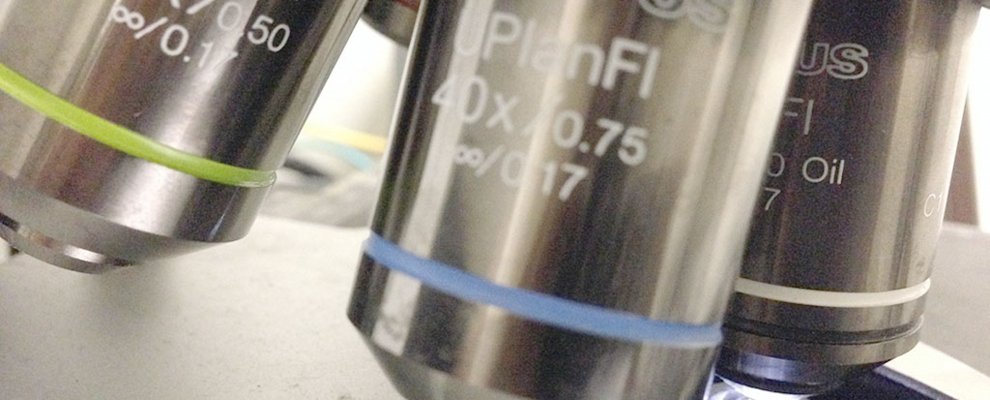
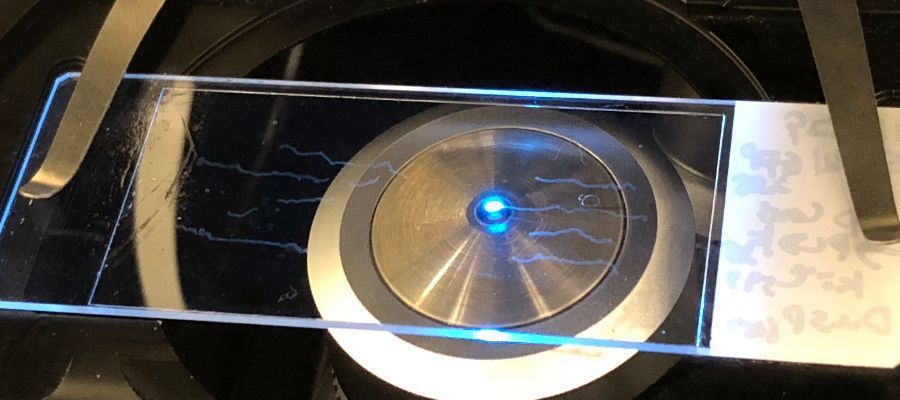
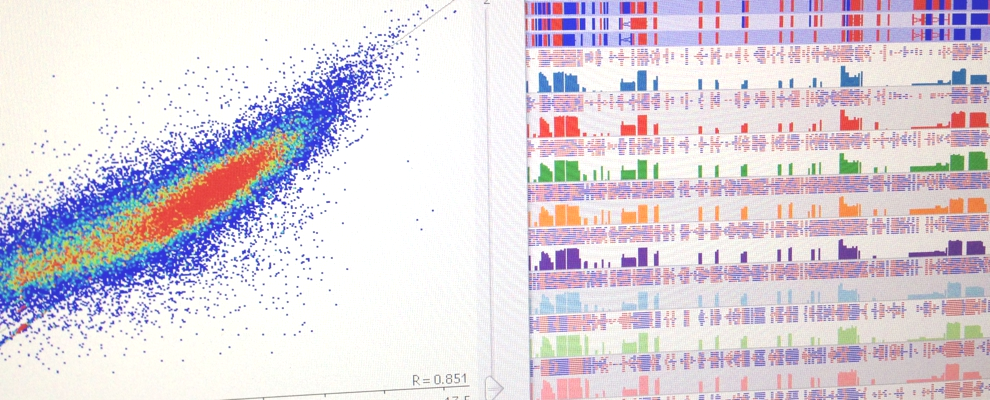
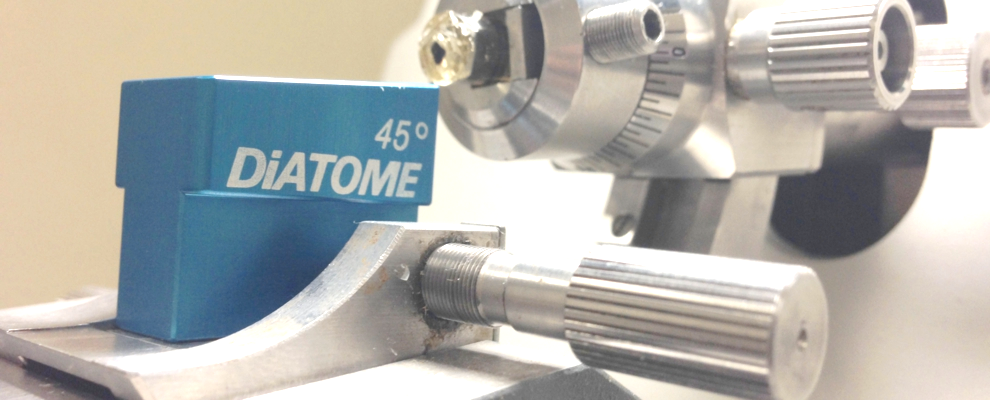
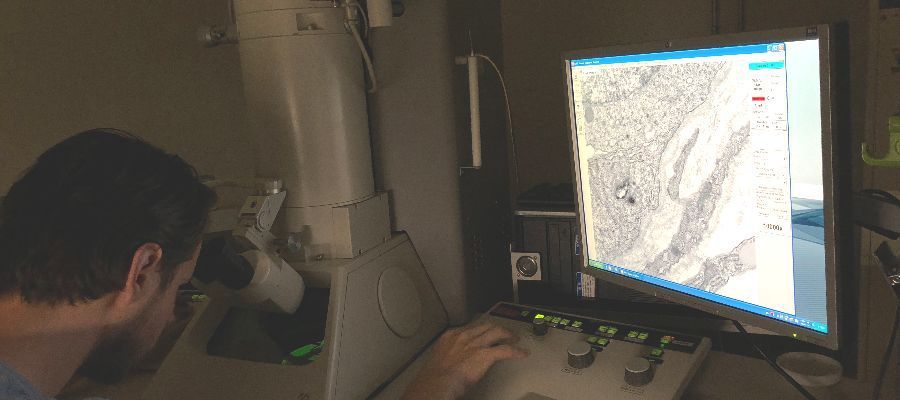
| Key Technologies | Super-resolution fluorescent microscopy (STED), Electron microscopy (TEM / SEM), High-throughput sequencing (ChIP-seq, RNA-seq, BS-seq, single-cell multiomics), Spermatogonial stem cell transplantation and ex-vivo culture |
| Personnel | 3 Faculty instructors, 4 Technical staff, plus Graduate and Undergraduate students |
For inquiries regarding our research, collaborations, or prospective laboratory visits, please feel free to reach out to us.